 Skip to content

The Time, Skill, and Real Investment Behind Original Art
It’s the question every artist hears at every show, in every gallery, at every fair. A visitor leans in, studies the work, and asks: “How long did it take you to make this?”
It’s a fair question — and the answer is almost never simple. Because what you’re really asking about isn’t just time. You’re asking about materials, mastery, process, investment, and years of devotion that never quite show up on a price tag.
“Every artwork has its own journey from concept to completion. Time is only one chapter of that story.”
The Hours You See — and the Years You Don’t
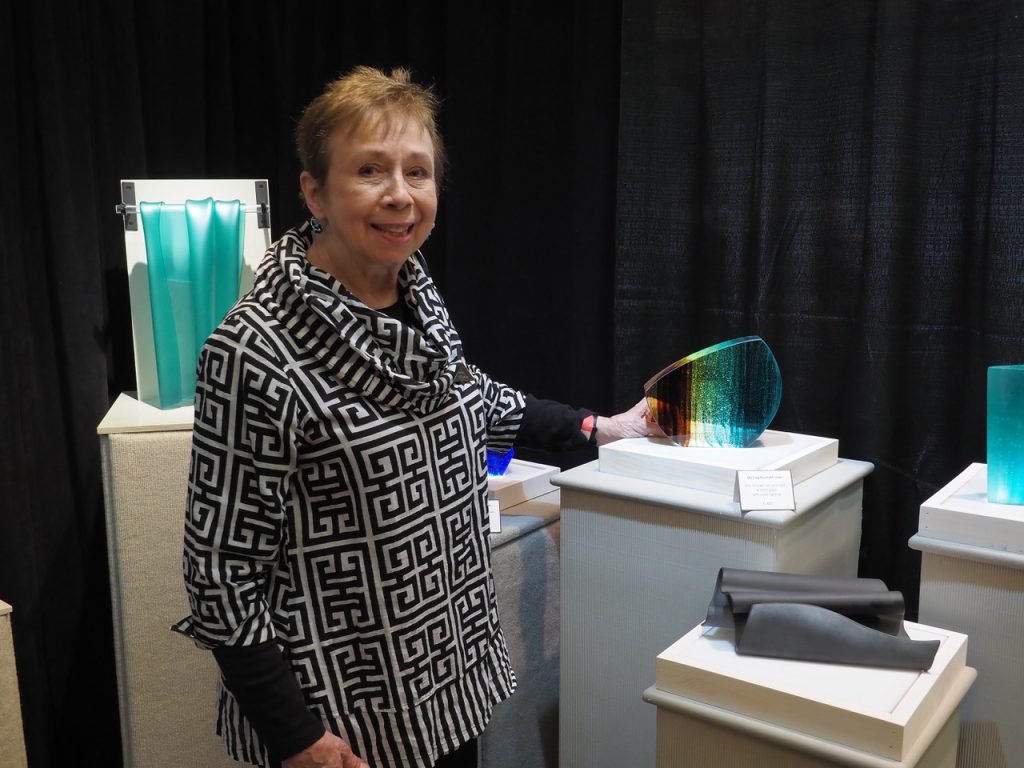
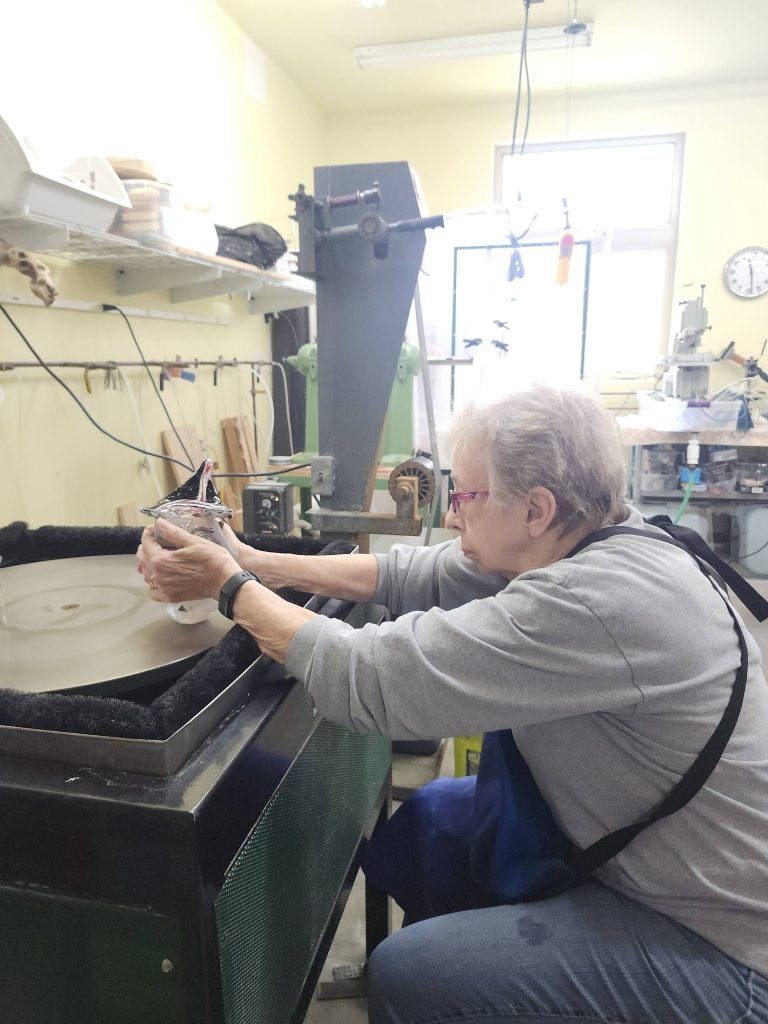
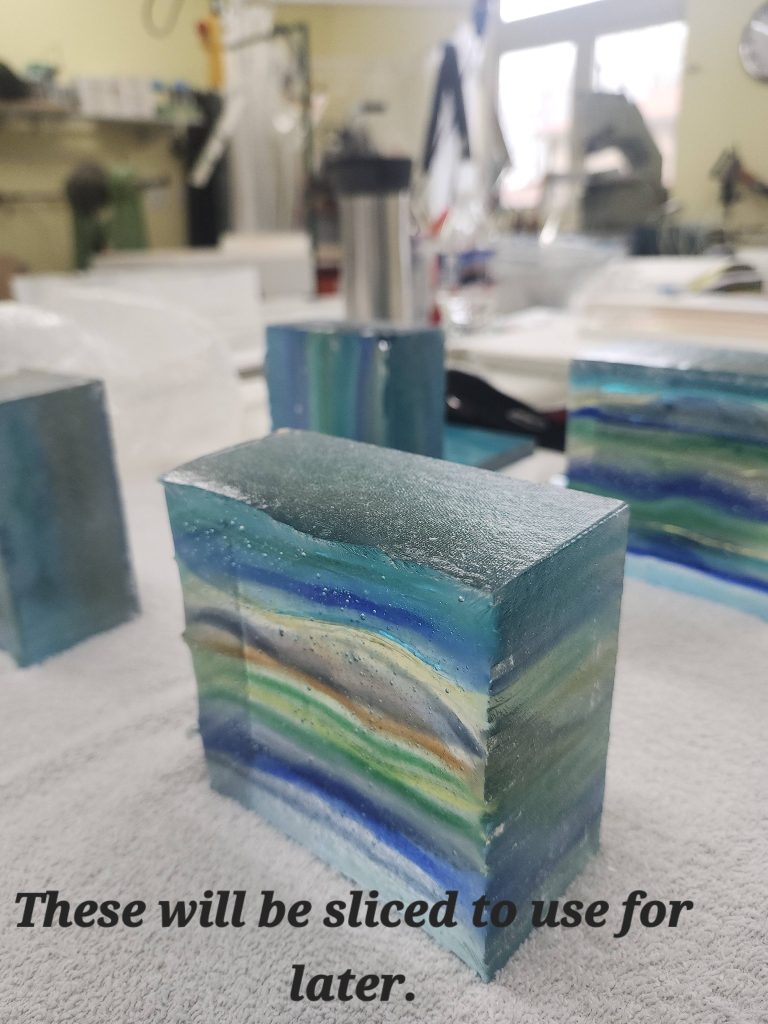
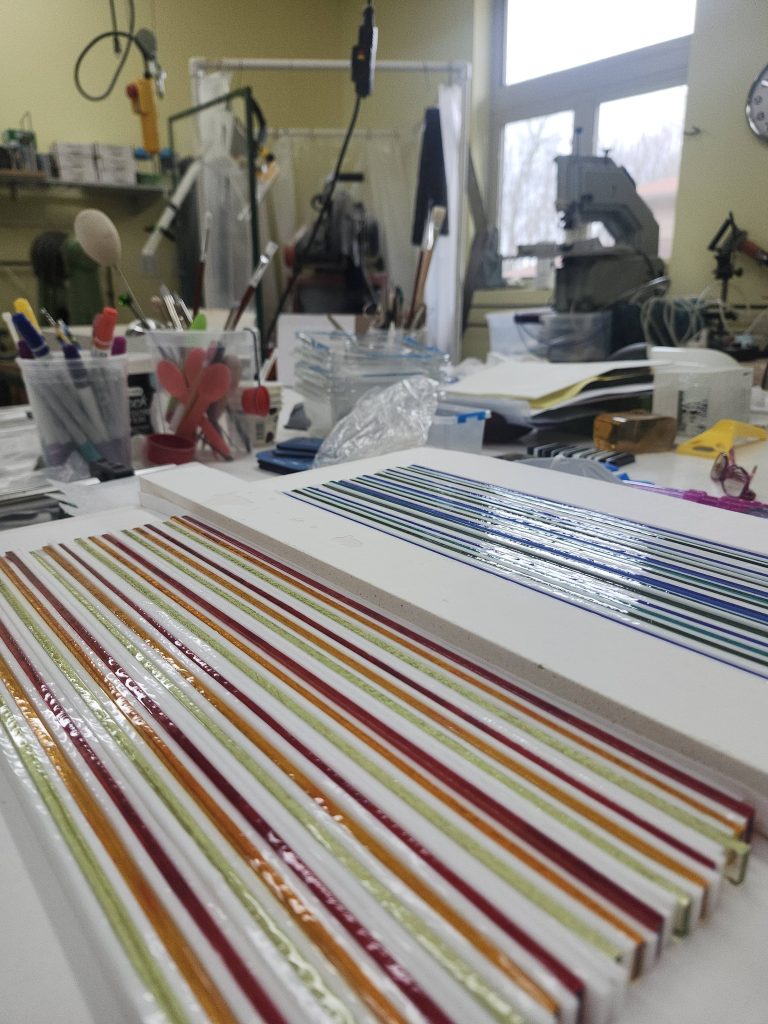
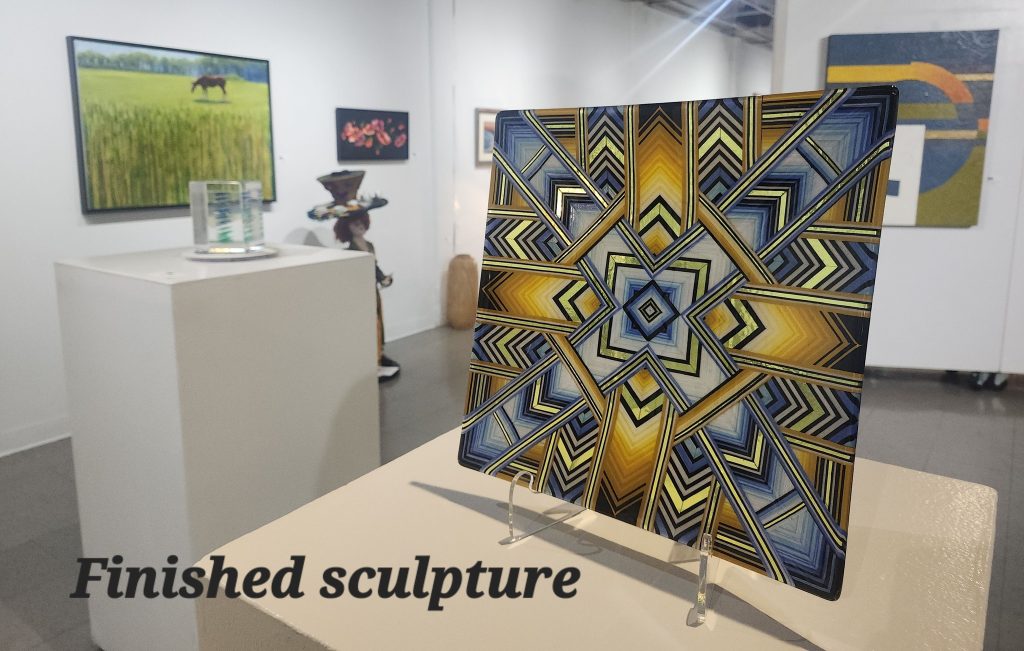
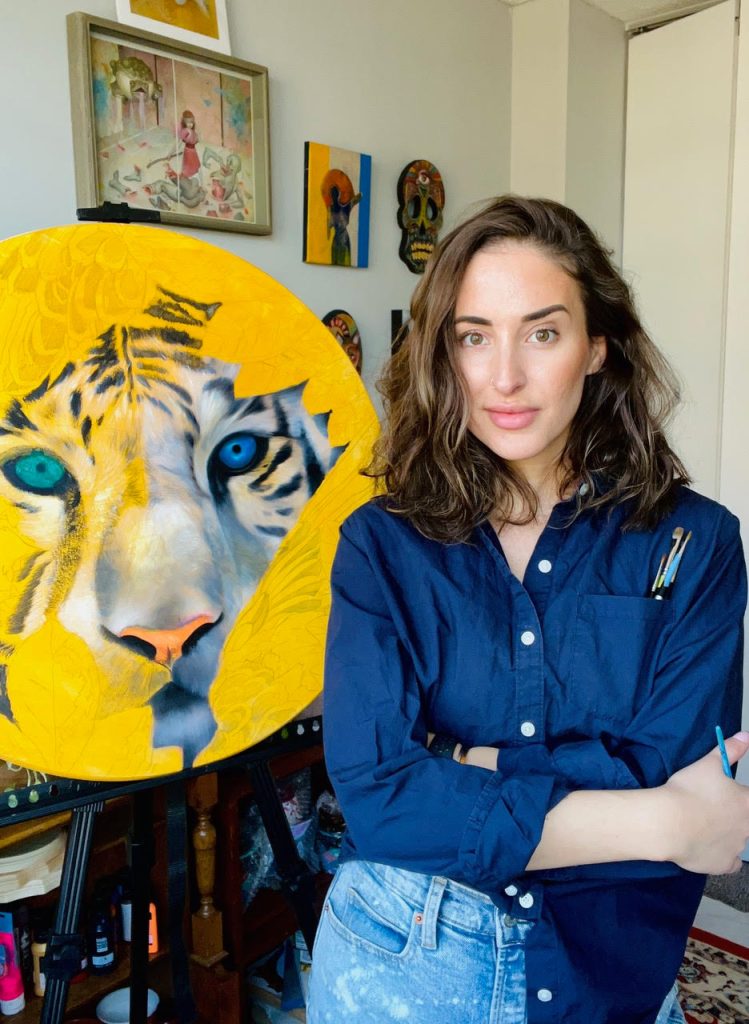
Every artistic medium follows its own rhythm. A glass artist like Ann Klem doesn’t simply shape molten material and walk away. Each piece may require multiple kiln firings, with temperature and timing controlled precisely at every stage. A single misstep can crack or cloud weeks of work. Painters like Samantha DeCarlo-Gnidovic may spend weeks building layers of color, refining composition, and allowing materials to properly cure — the canvas you see is the result of dozens of invisible decisions made beneath the surface.
And here’s something many visitors don’t realize: many artists, like Mark Zanowski, work on multiple pieces at the same time. While one piece rests, cures, or dries, another advances. It’s an orchestrated, parallel process — a choreography of patience and precision that stretches across days, weeks, and sometimes months.
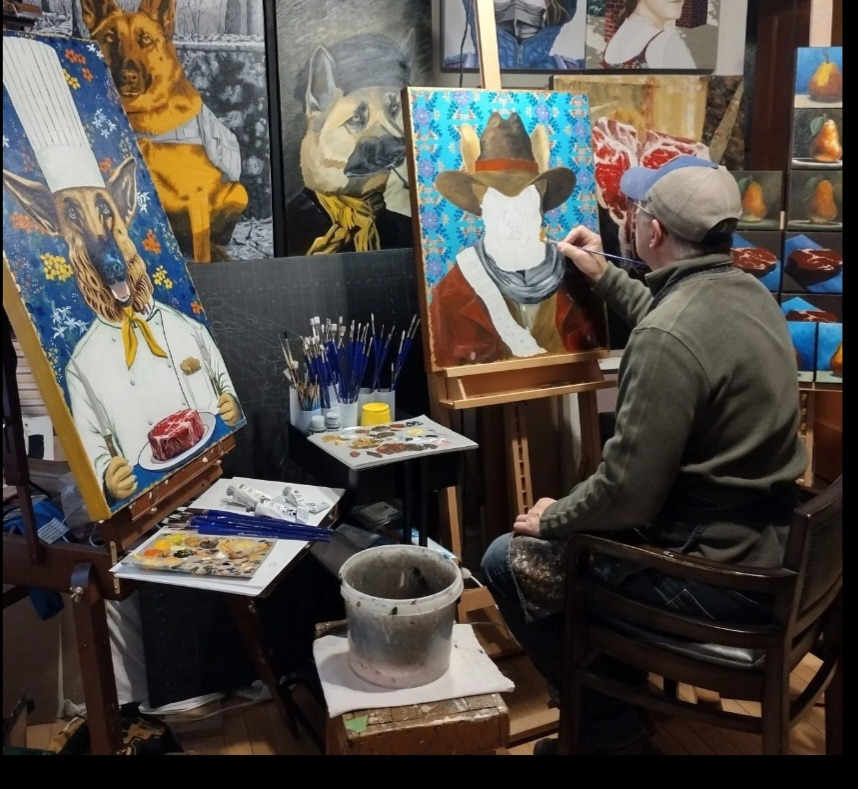
PHOTO: Mark Zanowski
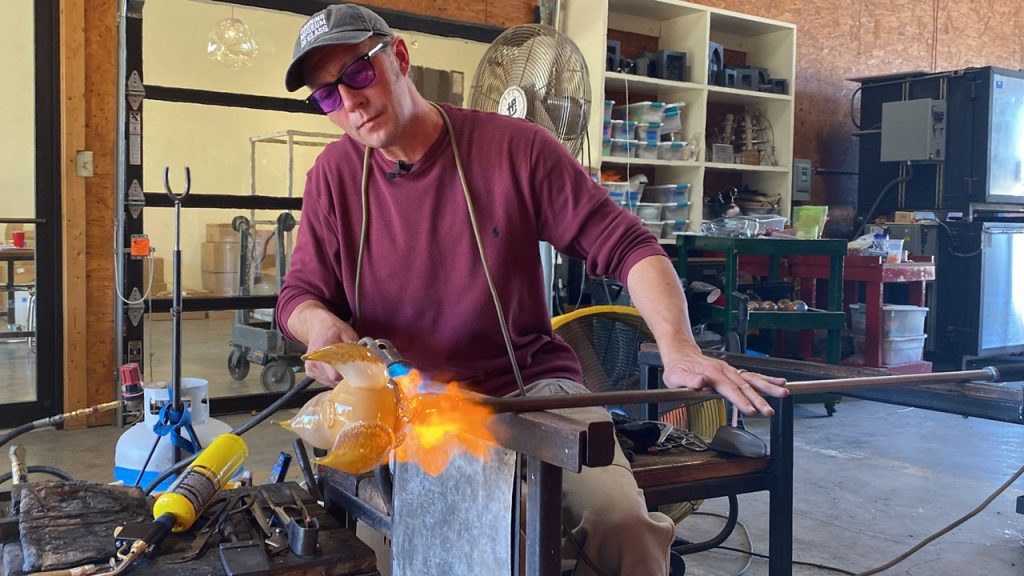
PHOTO: Chad Balster
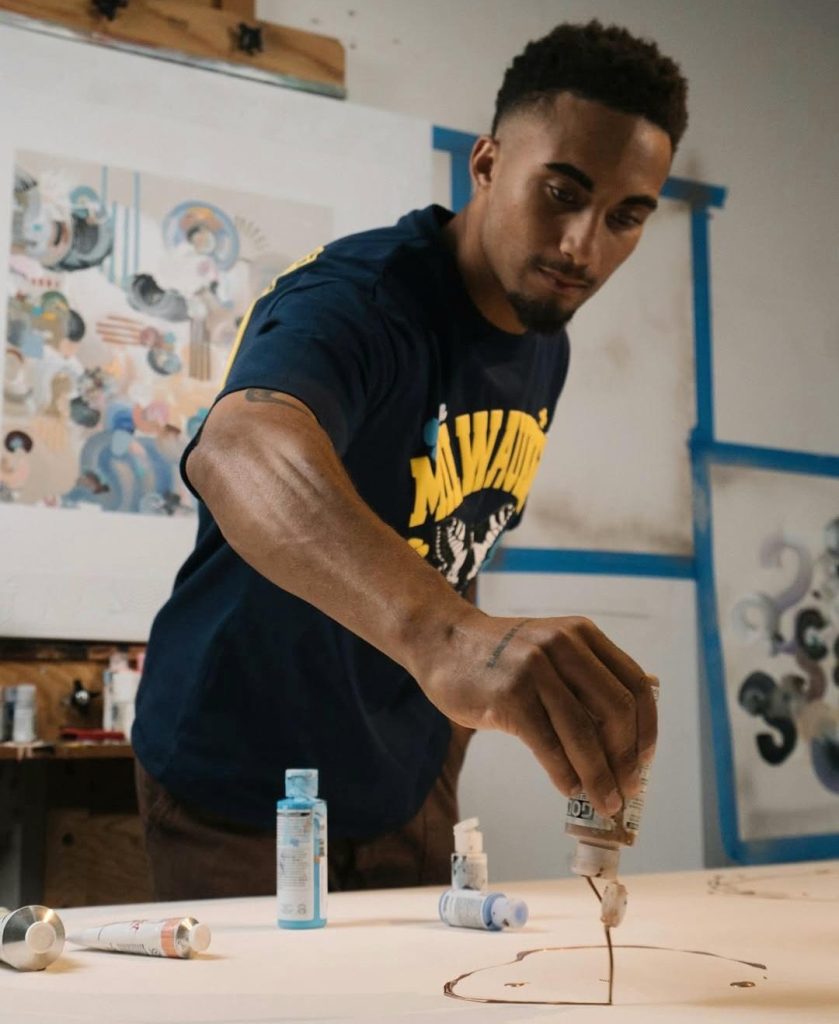
PHOTO: Anthony Brewer
A Lifetime of Learning
What most visitors don’t see is the foundation beneath every finished piece. Artists spend years — often decades — studying the fundamentals of their craft: composition, color theory, perspective, design, and technique. They immerse themselves in art history, attend workshops and classes, experiment relentlessly, and fail forward until the skills become second nature.
Each artist in our fair has spent years developing a personal creative voice. Abstract artist Anthony Brewer, glass artist Ann Klem, leather artist TJ Martin, painter Samantha DeCarlo-Gnidovic — each has cultivated a visual language that is entirely their own. And just when mastery seems within reach, they push further. Growth isn’t a phase of an artistic career. It is the career.
The Real Cost of Creating Art
Two phrases follow artists everywhere: “Why does it cost so much?” and “I could do that.” Both deserve a thoughtful answer.
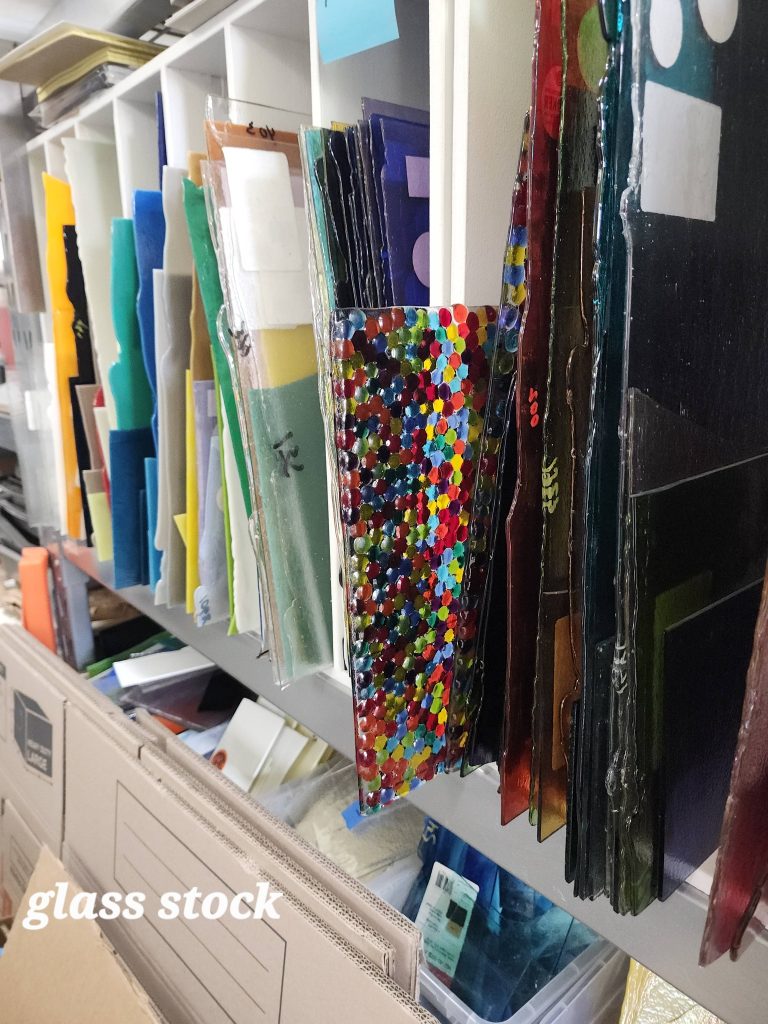
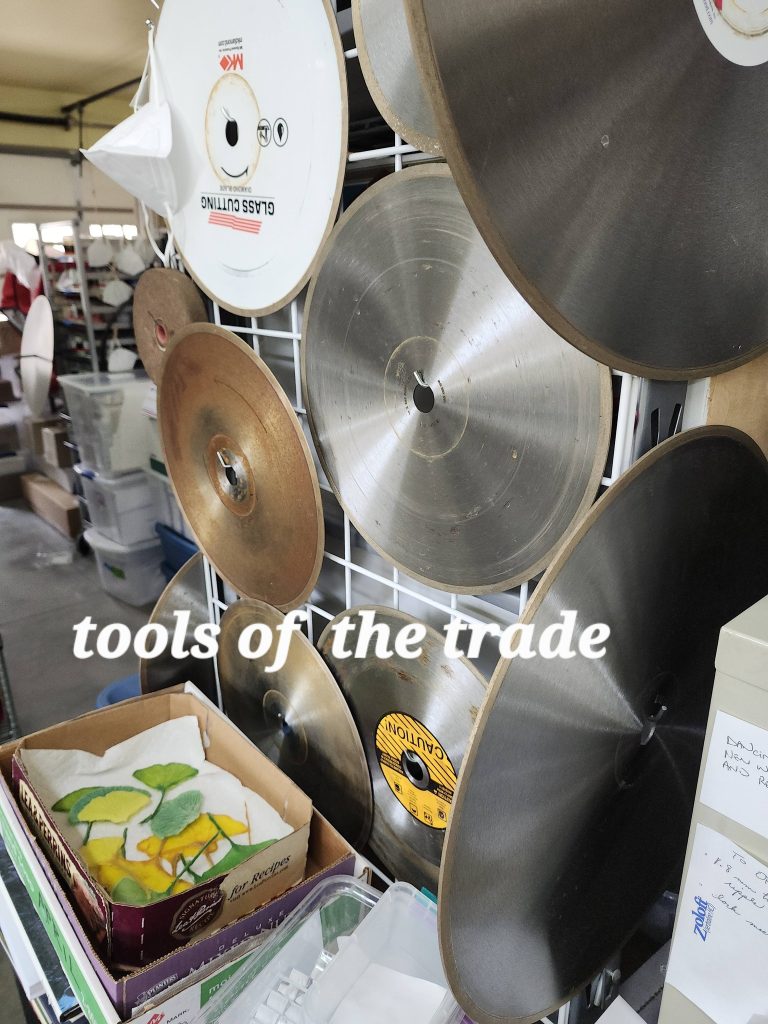
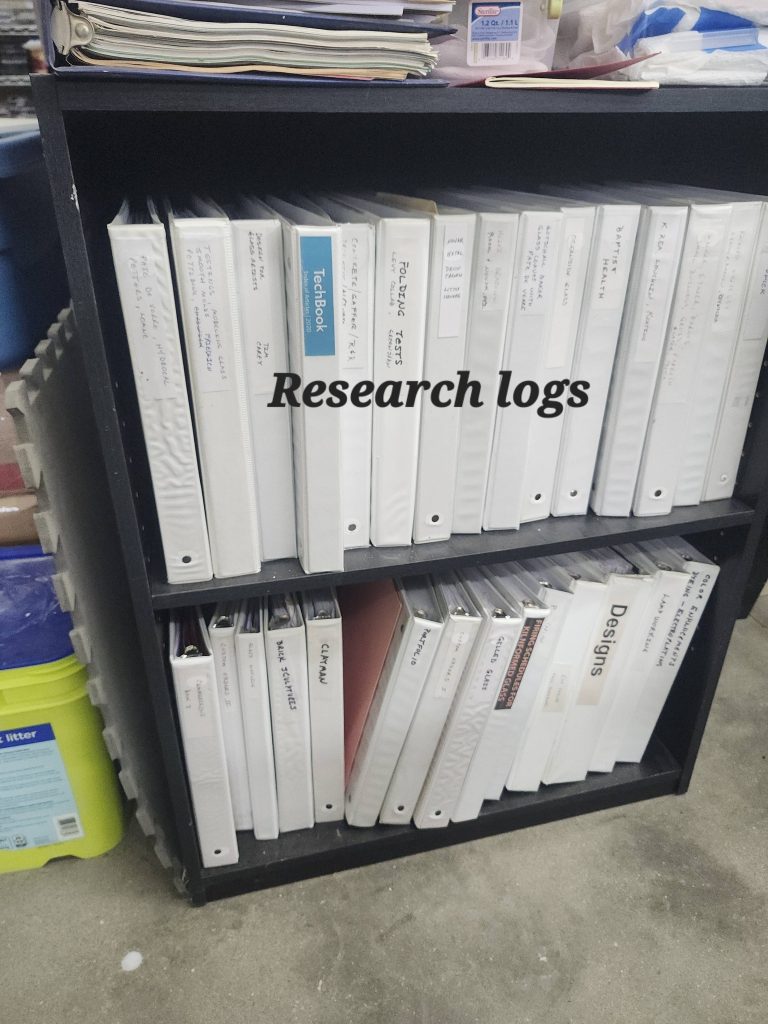
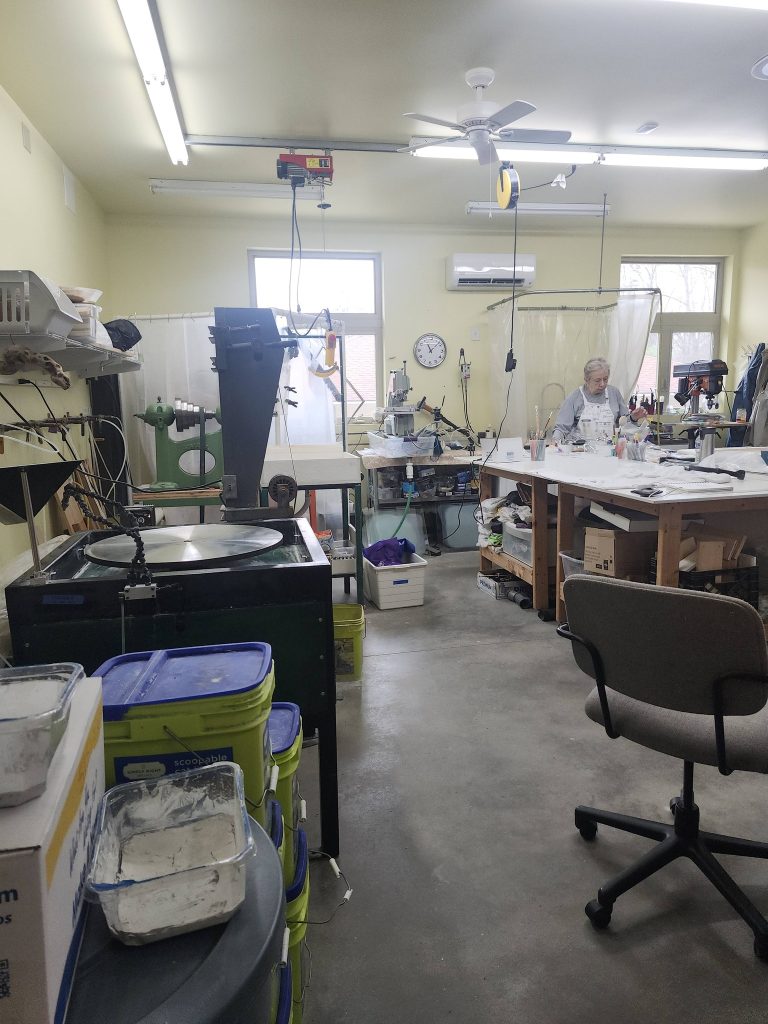
Creating art at a professional level requires serious, sustained investment. Consider Ann Klem: her studio and equipment alone represent an investment exceeding $100,000. And that’s before accounting for the ongoing costs of electricity and fuel to run her kilns, heating and cooling a dedicated studio space, specialized materials and tools, and continued education and professional development. Every time she fires a piece, there is a real cost behind it.
This is what distinguishes original art from mass-produced home décor. The objects you find in big-box stores are manufactured at scale, designed to be affordable and forgettable. Original art is something else entirely — it is the product of a specific human mind, a specific set of skills, and a specific moment in time that can never be exactly replicated.
“When you purchase original art, you are not simply buying an object. You are supporting a human being who chose to dedicate their life to creativity — and kept going long after it would have been easier to stop.”
As for “I could do that” — perhaps you could replicate the surface of something. But could you have conceived it? The original idea, the vision, the transformation of imagination into physical form through years of practiced technique — that is what you are truly looking at.
Watch the Artists at Work
We invited several artists from For the Love of Art Fair to share a glimpse of their creative process — because some things are better witnessed than described. Watch how raw materials, skilled hands, and years of knowledge come together to make something that didn’t exist before.
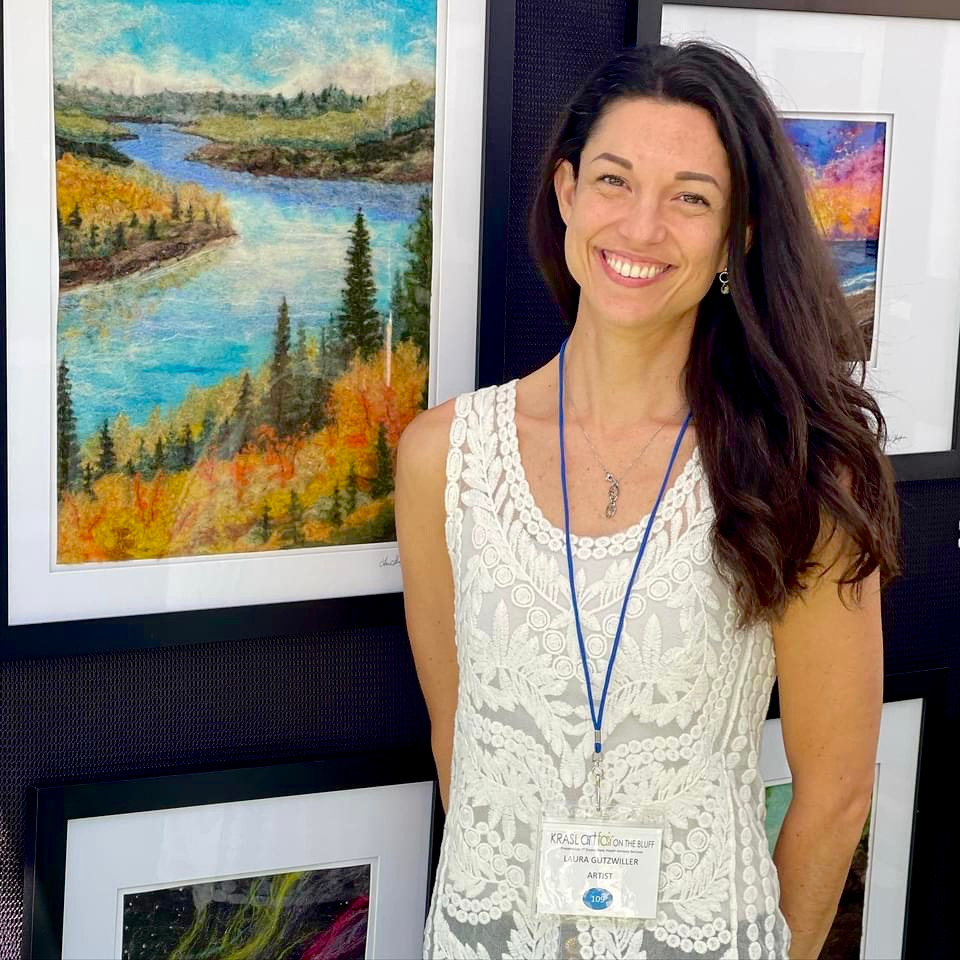
She creates needle felted landscapes that incorporate her love of water, trees, sunsets and the beauty all around us. Her “wool painting” technique can be described as using natural fibers to mimic traditional painting techniques. Instead of using paint and a brush, she uses tiny pieces of sheep’s wool, alpaca fiber, mohair locks and silks to create desired effects. She layers the fibers and blends them by hand with a needle felting needle, designed to knot the fibers together to stay in place. Her work becomes quite three dimensional at times, creating extra texture and depth. Each piece is made with love, patience, and a desire to share feelings of peace with the world.
Ann Klem — Glass Artist
See the extraordinary care, timing, and technical precision required at every stage of the kiln process. Ann’s studio investment exceeds $100,000 — and it shows in the luminous detail of every finished piece.
Samantha DeCarlo-Gnidovic — Painter
Follow the patient, meditative rhythm of a painter at work. Samantha’s piece in this video was made specifically for our fair — a beautiful example of an artist creating with intention and generosity.
Art is more than what you see.
It is the result of vision, education, years of practice, real financial sacrifice, and the quiet courage to keep creating — piece after piece, year after year.